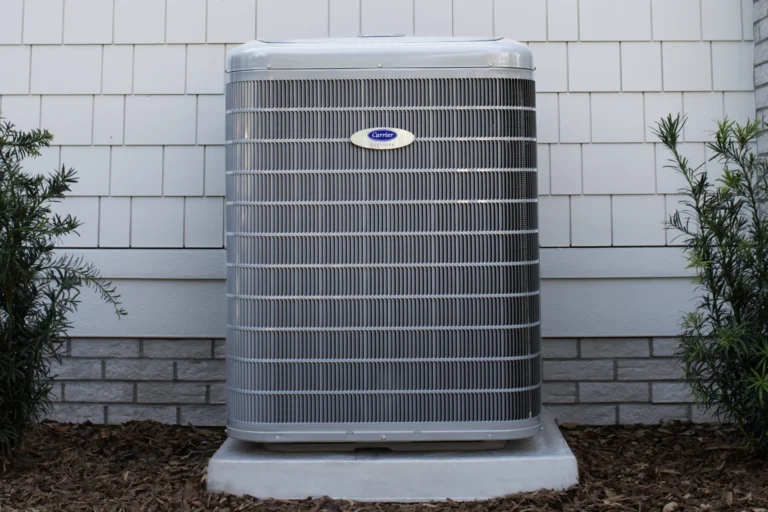
What Air Conditioning Installation Really Involves
A properly installed air conditioning system removes both heat and humidity from your home, using a refrigerant cycle that pulls warm indoor air across a cold evaporator coil, then releases that heat outdoors through the condenser. When this process is set up correctly, your home stays comfortable through the hottest stretches of a Puget Sound summer without excess noise, wasted energy, or uneven cooling from room to room.
The difference between an air conditioner that lasts fifteen years and one that struggles from the start often comes down to the quality of the installation. At Sound Heating and Air Conditioning Inc, we treat every A/C installation as a full system project rather than a simple equipment swap. That means we measure, calculate, and test at each stage so the finished system matches your home, your comfort preferences, and the local climate.
Preparing Your Home for a New System
Before any equipment is selected, we look closely at the home itself. Two houses of the same square footage can require very different cooling systems depending on insulation levels, window placement, ceiling height, ductwork condition, and how sunlight hits the structure during the day. Skipping this step is the most common reason a new air conditioner underperforms.
Our comfort specialists walk through the home, review the existing ductwork if any is present, and discuss how you actually use each room. A home office that heats up in the afternoon, a bedroom that never quite cools at night, or a finished basement that stays damp all point to specific design choices. This early conversation shapes every decision that follows.
Sizing the System Correctly
Correct sizing is the technical foundation of a good installation. An air conditioner that is too large will cool the air quickly but shut off before it removes enough humidity, leaving the home cold and clammy while the compressor wears out from frequent starts and stops. A unit that is too small will run constantly and still fail to keep up on the hottest days.
To avoid both problems, we perform a load calculation that accounts for the real conditions of your home. This calculation weighs several key factors:
- Square footage and ceiling height: the total volume of conditioned air the system must handle.
- Insulation and air sealing: how well the home holds cooled air rather than losing it to the outdoors.
- Windows and sun exposure: the amount of solar heat entering through glass at different times of day.
- Occupancy and appliances: heat added by people, cooking, and electronics.
The result is a cooling capacity measured in tons, where one ton equals 12,000 BTUs of heat removal per hour. Matching that capacity precisely to your home is what allows the system to run efficiently, cycle properly, and control humidity the way it should.
Understanding Efficiency Ratings and Equipment Choices
Modern air conditioners carry a SEER2 rating, which measures how much cooling the unit delivers relative to the energy it consumes across a season. Higher SEER2 numbers mean lower operating costs, though the right rating for your home depends on how often you run the system and your long term plans for the property. We help you weigh upfront cost against energy savings so the choice makes sense for your situation.
Beyond the raw efficiency number, you also choose between single-stage, two-stage, and variable-speed compressors. Single-stage units run at full power whenever they operate. Two-stage systems can run at a lower level for milder days, and variable-speed models adjust output continuously for the steadiest temperatures and quietest operation. Each has a place, and we explain the practical trade-offs rather than pushing the most expensive option.
Our A/C Installation Process From Start to Finish
Once the system is designed and selected, the installation itself follows a clear sequence. We follow the same disciplined method that our founder Curtis Hood built the company on back in 1989, when the team could install a complete heating system in a single day on a builder’s schedule. That same focus on doing the job right the first time carries into every air conditioning project we handle today.
A typical installation moves through these stages:
- Site preparation: we protect flooring and work areas, then set the outdoor condenser pad on a level, stable base with proper clearance for airflow and future service.
- Equipment placement: the indoor evaporator coil and air handler are positioned and secured, and the outdoor unit is set where it can breathe and stay accessible.
- Line set and electrical connections: refrigerant lines are routed and sealed, and dedicated electrical circuits are connected to code.
- Evacuation and charging: we pull a vacuum on the refrigerant lines to remove moisture and air, then charge the system to the manufacturer’s exact specification.
- Testing and verification: we measure airflow, check refrigerant pressures, confirm the thermostat controls the system correctly, and verify the temperature drop across the coil.
That final testing step matters more than many homeowners realize. A system charged even slightly outside its target range will cool less effectively and cost more to run for its entire life. Because we verify performance before we leave, you get a system that operates the way it was engineered to.
Ductwork, Airflow, and Indoor Air Quality
An air conditioner is only as good as the ducts that carry its cooled air. Leaky, undersized, or poorly balanced ductwork can waste a large share of the energy your new system produces. During installation we inspect the duct network, seal accessible leaks, and confirm that supply and return airflow are balanced so every room receives its fair share of conditioning.
Because a new air conditioner circulates a large volume of air through your home, installation is also the ideal time to address indoor air quality. Upgraded filtration, whole-home dehumidification, and fresh-air ventilation can be integrated into the system while the equipment is open and accessible. Handling these items together saves labor and gives you cleaner, healthier air along with better cooling.
Where Professional Installation Makes the Biggest Difference
Air conditioning installation touches nearly every kind of property we serve. A growing family adding cooling to an older home benefits from careful sizing and duct upgrades. A newly built home needs a system integrated cleanly into fresh construction. A commercial space depends on reliable, balanced cooling to keep customers and employees comfortable through business hours. Each of these calls for the same attention to detail, applied to a different set of conditions.
We also handle retrofit and change-out projects, where a new energy-efficient system replaces aging equipment. Our comfort specialists design these systems around your input, so the result reflects how you actually live rather than a one-size-fits-all template. This is one of the departments Sound Heating and Air Conditioning Inc developed as the company grew from one person to a team of forty.
Serving the Greater Puget Sound Area
For more than 36 years, Sound Heating and Air Conditioning Inc has installed and serviced cooling systems across Elk Plain, Frederickson, Graham, Midland, Parkland, Puyallup, South Hill, Spanaway, and Summit and the surrounding communities. As Puyallup and Tacoma’s favorite HVAC and electrical company, we bring residential, commercial, emergency, and hydronic experience to every project, backed by our long-standing promise of prompt response, excellent products, and superior service.
Our team stays current on new equipment and installation methods while keeping the straightforward, helpful service that has defined the company since 1989. If you are considering a new air conditioner or replacing a system that no longer keeps up, we are ready to help you choose, size, and install a system built to last. Contact Sound Heating and Air Conditioning Inc today to start your A/C installation project with a team that treats your comfort as the goal.