
HVAC Tips
Keeping your HVAC system running smoothly is essential for maintaining comfort and efficiency. Here are a few tips to ensure your HVAC system operates at its best:
- Regular Filter Changes: Air filters should be replaced every 1-3 months depending on usage. Dirty filters can reduce airflow, forcing your HVAC system to work harder and lowering efficiency. This simple step can save you energy and extend the life of your system.
- Keep Vents Unobstructed: Make sure vents and registers are not blocked by furniture, curtains, or other obstructions. Unblocked vents allow proper airflow and help maintain a consistent temperature throughout your building.
- Schedule Seasonal Maintenance: Preventive maintenance is key to avoiding costly repairs. Schedule seasonal check-ups for your heating and cooling systems to ensure they are running at peak performance, catching minor issues before they become major problems.
- Upgrade to a Programmable Thermostat: A programmable thermostat can help you better control energy consumption. Set it to adjust temperatures based on your building’s schedule, and save energy when the building is unoccupied.
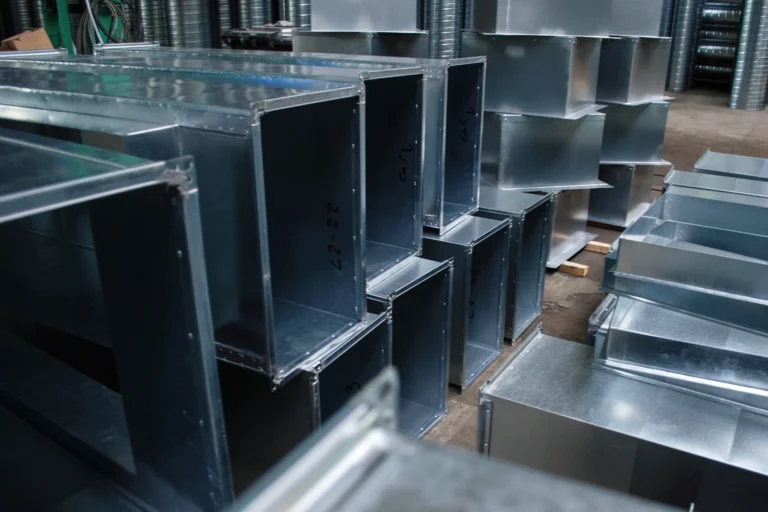
- Seal Leaks in Ductwork: Leaky ducts can cause energy loss and uneven heating or cooling. Sealing leaks will improve the efficiency of your HVAC system and reduce energy costs.
General Energy-Saving Tips
- Upgrade Insulation: Proper insulation in your walls, attic, and floors helps retain temperature control and reduces the load on your HVAC system. A well-insulated building stays cooler in summer and warmer in winter, lowering energy bills.
- Use Energy-Efficient Appliances: From LED lighting to energy-efficient appliances, upgrading to energy-saving devices throughout your building will make a significant difference in reducing your overall energy consumption.
- Install Motion Sensors: Motion sensor lighting can ensure that lights are only on when they are needed. This is particularly helpful in commercial properties where rooms or areas may not always be in use.
- Perform Energy Audits: A professional energy audit can identify areas of energy loss in your building. This allows you to make informed decisions about what upgrades or repairs can improve energy efficiency.