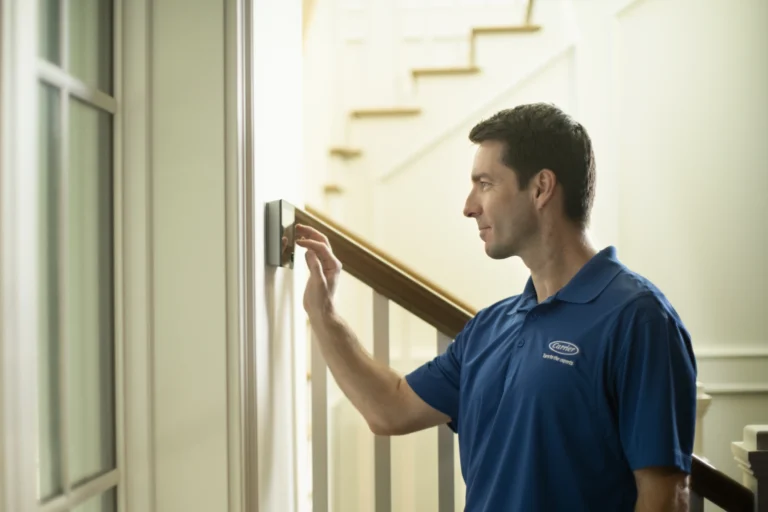

A knob-and-tube wire tucked behind a plaster wall, a furnace with a date stamp from the Reagan administration, ductwork that was sized for a floor plan that no longer exists—these are the kinds of details that sit quietly inside many Puget Sound homes built decades ago. The house looks fine on the surface. The heat still comes on. The lights still work. But aging homes have a way of hiding their weak points until a cold snap, a power demand, or a failed component brings them into the open. At Sound Heating & Air Conditioning Inc., we spend a great deal of time inside these older properties across Elk Plain, Frederickson, Graham, Midland, Parkland, and Puyallup, and we have learned to read the early signals that an outdated HVAC or electrical system is sending.
Why Older Puget Sound Homes Hide Their Problems
The housing stock in this region spans a wide range of eras. Post-war bungalows, 1970s split-levels, and 1980s subdivisions each carry their own set of quirks. When a home was built, the heating system, the ductwork, and the electrical panel were all matched to the needs and codes of that time. Decades later, families have added rooms, finished basements, installed modern appliances, and plugged in far more electronics than the original design ever anticipated. The infrastructure rarely keeps pace with the way we actually live.
What makes these issues easy to overlook is that older systems tend to degrade gradually rather than fail outright. A furnace that once heated the house evenly may now leave back bedrooms cold while the thermostat reads comfortable. An electrical panel may trip only occasionally at first. Because the decline is slow, many homeowners adjust their habits around the problem instead of addressing the root cause. By the time a true failure occurs, the repair is often larger and more disruptive than it needed to be.
The Hidden Signals an Aging System Sends
Part of our work involves teaching homeowners how to notice the quiet warnings their homes give off long before a breakdown. These signals are subtle, but once you know what to look for, they become hard to ignore. During an inspection or a service call, we routinely point out the following clues that an older home is reaching the limits of its original design.
- Uneven temperatures room to room: This often points to undersized or leaking ductwork, a failing blower motor, or a furnace that no longer matches the square footage after remodeling.
- Frequent breaker trips or warm outlet covers: These are early indicators of an overloaded panel or aging wiring that was never meant to carry today’s electrical loads.
- Rising energy bills with no change in habits: An old furnace losing efficiency or a leaky duct system quietly wastes fuel month after month.
- Short cycling or long run times: A heating system that starts and stops repeatedly, or runs nonstop, is usually mismatched to the home or struggling with worn components.
- Dust, dryness, or stuffy air: Older systems often lack proper air filtration and humidity control, which affects both comfort and indoor air quality.
How We Assess an Older Home From Top to Bottom
Our process begins with listening. Before we touch a single component, we ask about comfort complaints, bill history, and any recent remodeling. Those answers guide where we look first. From there, we move into a methodical evaluation that follows the path of both heat and electricity through the home. We inspect the furnace or boiler, measure airflow, check duct integrity, and evaluate the age and condition of each major component. On the electrical side, we examine the panel, check for outdated wiring methods, and verify that circuits are properly loaded and grounded.
Because Sound Heating & Air Conditioning Inc. provides both HVAC and electrical services, we can look at an aging home as a connected system rather than two separate concerns. That matters more than many homeowners expect. A new high-efficiency furnace or heat pump places different demands on the electrical panel, and an outdated panel can quietly limit what equipment a home can safely support. Evaluating both together prevents the frustrating situation where one upgrade reveals that another is suddenly necessary.
Addressing Problems Before They Become Costly
The goal of catching these issues early is straightforward: a planned upgrade is almost always less expensive and less stressful than an emergency repair in the middle of a January cold spell. When we identify a furnace nearing the end of its service life, we can design a replacement on your timeline, often improving comfort and efficiency at the same time. When we find aging wiring or an overtaxed panel, we can correct it before it creates a safety hazard.
We have served the Greater Puget Sound area since 1989, and in more than 36 years our team of 40 professionals has worked on nearly every kind of system found in local homes. We offer residential, commercial, emergency, and hydronic services, and our retrofit and change-out specialists will sit down with you, review your home’s specific needs, and design an energy-efficient system that fits both the house and the way you live. Our promise remains the same as it was on day one—prompt response, excellent products, and superior service.
If your older home in Elk Plain, Frederickson, Graham, Midland, Parkland, or Puyallup has been dropping hints that something is not quite right, the smartest step is to have it looked at before the problem chooses its own schedule. Reach out to Sound Heating & Air Conditioning Inc. and let us help you understand exactly what your home needs.