
Understanding Climate Resilience and Your HVAC System
As extreme weather events become increasingly common across Northwest Washington, protecting your home’s comfort and functionality requires more than standard heating and cooling solutions. At Sound Heating & Air Conditioning Inc. – NextGen, we’ve witnessed firsthand how dramatically weather patterns have shifted since our founding in 1989. From unprecedented heat domes reaching 115°F to severe winter storms causing extended power outages, these climate challenges demand innovative HVAC strategies that go beyond traditional installations.
Climate resilience means preparing your home’s systems to maintain comfortable indoor conditions despite extreme outdoor temperatures, power fluctuations, and severe weather events. Your HVAC system serves as the first line of defense against these challenges, but only when properly designed, installed, and maintained. Modern climate-resilient HVAC systems incorporate advanced technologies like variable-speed compressors, smart thermostats with predictive capabilities, and backup power integration to ensure continuous operation during emergencies.
Essential Equipment Upgrades for Weather Extremes
Upgrading to dual-fuel systems represents one of the most effective strategies for weather resilience in areas like Puyallup, Graham, and Parkland. These systems combine an electric heat pump with a gas furnace, automatically switching between fuel sources based on outdoor temperatures and energy costs. When temperatures drop below the heat pump’s efficiency threshold, typically around 35°F, the system seamlessly transitions to gas heating, ensuring optimal comfort without excessive energy consumption.
High-efficiency equipment with SEER ratings of 16 or higher and AFUE ratings above 95% provides superior performance during temperature extremes while reducing energy costs by up to 40%. Variable-speed technology allows these systems to adjust output precisely to match your home’s needs, maintaining consistent temperatures even when outdoor conditions fluctuate wildly. Additionally, investing in equipment with enhanced dehumidification capabilities proves crucial for managing indoor air quality during humid summer months or atmospheric river events common to the Puget Sound region.
Critical Weatherproofing and Protection Measures
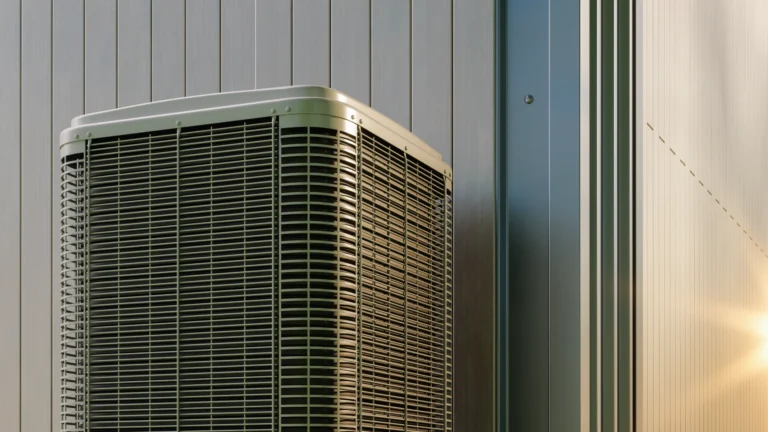
Protecting your outdoor HVAC components from severe weather requires strategic placement and proper shielding. We recommend installing condensing units on elevated platforms at least 12 inches above ground level to prevent flood damage during heavy rains. Custom-fabricated aluminum or galvanized steel protective covers shield equipment from falling debris during windstorms while maintaining proper airflow for efficient operation.
Surge protection devices specifically designed for HVAC systems prevent costly damage from lightning strikes and power fluctuations. These devices, installed at both the electrical panel and individual equipment connections, can save thousands of dollars in repair costs. Additionally, implementing proper drainage systems around outdoor units prevents water accumulation that could cause corrosion or electrical failures during extended wet periods.
Smart Technology Integration for Automated Response
Modern smart thermostats equipped with weather monitoring capabilities automatically adjust your home’s temperature settings based on incoming weather patterns. These systems can pre-cool or pre-heat your home before extreme temperatures arrive, reducing strain on equipment during peak demand periods. Integration with local weather services provides real-time alerts about approaching severe weather, allowing systems to prepare accordingly.
- Predictive maintenance alerts notify you when filters need replacement or systems require service before failures occur
- Remote monitoring capabilities allow our technicians to diagnose issues without emergency site visits during severe weather
- Automated ventilation control manages indoor air quality by adjusting fresh air intake based on outdoor conditions
- Energy usage optimization tracks consumption patterns and suggests efficiency improvements
Emergency Backup Solutions and Contingency Planning
Installing whole-home generators or battery backup systems ensures your HVAC equipment continues operating during power outages. We design these systems to support essential circuits including heating, cooling, and ventilation equipment, maintaining livable conditions for 24-72 hours depending on capacity. Portable generator connections with proper transfer switches offer more affordable alternatives while still providing critical backup power capabilities.
Creating a comprehensive HVAC emergency plan includes identifying local contractors for emergency service, maintaining spare filters and essential parts, and establishing temperature thresholds for equipment protection. Regular maintenance becomes even more critical for climate resilience, as well-maintained systems better withstand extreme operating conditions and recover more quickly from weather-related stress.
Since 1989, our team of 40 professionals has helped thousands of homeowners throughout Elk Plain, Frederickson, and Midland prepare their homes for whatever weather challenges arise. We understand that climate resilience requires both immediate solutions and long-term planning, combining cutting-edge technology with proven installation techniques developed over 36 years of service in Northwest Washington.